
Area Types

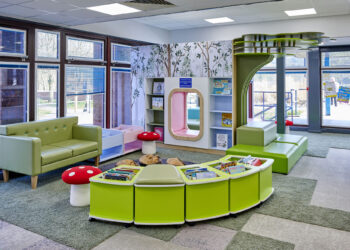

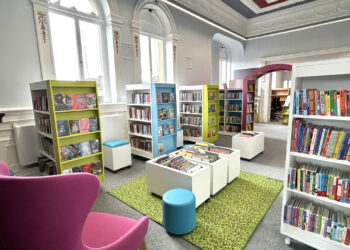

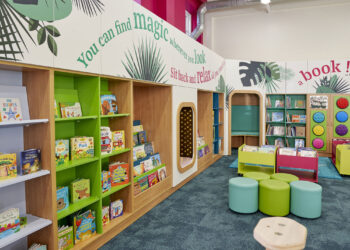
Sustainable school libraries are becoming an increasingly important consideration for schools looking to create responsible and future-focused learning environments. More than just a space for books, the school library plays a central role in shaping how children learn, explore ideas, and develop lifelong reading habits.
As expectations around environmental responsibility continue to grow, schools are seeking ways to refresh and develop their library spaces without compromising on sustainability. The materials used, the longevity of furniture, and the overall design approach all contribute to a wider culture of environmental awareness that pupils absorb from an early age.
At StoryScape, we design and manufacture creative, purpose-led furniture for primary school libraries and learning spaces across the UK. With a focus on durability, thoughtful design, and UK-based manufacturing, StoryScape helps schools create environments that support both reading engagement and sustainable values.
If you are planning a school library refurbishment or exploring new ideas for your space, contact StoryScape to discuss your requirements. Start the journey today and begin shaping a more sustainable learning environment.
Why Sustainable School Libraries Matter More Than Ever
Sustainability is no longer a secondary consideration in education. It is now a core principle shaping how schools design and develop their learning environments. School libraries are one of the most important spaces where this shift can be seen in practice.
Sustainability is becoming a key expectation in education settings – Schools are increasingly expected to demonstrate environmental responsibility in both their operations and their learning environments. Library design is a visible and practical way to reflect these values.
School libraries are central hubs for learning and reading – As one of the most frequently used shared spaces in a school, the library has a unique influence on pupils’ daily experiences. This makes it an ideal environment for embedding sustainable design choices.
The learning environment directly influences behaviour and mindset – Calm, well-considered spaces help children feel more focused and engaged. When sustainability is built into the environment itself, pupils begin to associate responsibility, care, and long-term thinking with everyday learning.
Sustainable design helps shape lifelong environmental awareness – Children learn not only through curriculum content but through their surroundings. A sustainably designed library reinforces the importance of looking after resources and thinking about impact from an early age.
As a UK manufacturer of school library furniture, StoryScape works with schools to design spaces that combine durability, functionality, and sustainability. The aim is to create environments that actively support both learning and environmental values.
If your school is exploring ways to create or refresh a more sustainable library space, speak to StoryScape about how a tailored design approach can support your goals.
Sustainable School Library Furniture From StoryScape
Creating a sustainable school library requires thoughtful consideration of how each element of the space works together, from shelving and displays to seating and storage. StoryScape designs and manufactures sustainable furniture that supports both functionality and environmental responsibility, helping schools build spaces that are built to last.
Eco-Friendly Shelving Designed For Modern School Libraries
Shelving forms the foundation of any library space, shaping how children access and engage with books. StoryScape’s shelving systems are designed with flexibility in mind, allowing schools to adapt layouts as needs evolve over time.
By prioritising responsible material use and long-term durability, these systems support sustainable practice while also encouraging independent browsing and discovery. Clear and accessible layouts help create a sense of order and calm, making it easier for pupils to engage with reading in a meaningful way.
Sustainable Book Display Solutions That Encourage Reading Engagement
Book displays play a vital role in capturing attention and inspiring curiosity. Face-out display units encourage children to interact visually with books, increasing the likelihood of discovery and spontaneous engagement. They are also great for highlighting particular reading materials and for themed displays.
Library Seating That Supports Comfort, Focus, And Longevity
Seating is central to how children experience a library space. Comfortable and well-designed seating areas encourage pupils to spend more time reading, reflecting, and engaging with stories.
StoryScape’s seating solutions are designed for durability and adaptability, ensuring they can withstand daily use in busy school environments. By offering a balance of soft and structured seating options, schools can create varied reading zones that cater to different learning styles and age groups, perfect for everyone.
Storage Solutions In Sustainable Library Design
Effective storage supports the organisation and usability of a library, helping maintain a calm and structured environment. Flexible storage solutions allow schools to adapt as collections grow or curriculum needs change.
By focusing on long-term adaptability rather than short-term replacement, schools can reduce waste and make more sustainable choices when designing their library spaces.
Designing Sustainable Libraries For The Future, Not Just The Present
Sustainability in school library design is not simply a trend. It is a long-term commitment to creating spaces that support both current learners and future generations.
StoryScape’s UK-manufactured furniture is designed with this long-term vision in mind, combining practical durability with purposeful design to support schools in creating meaningful, future-ready library spaces.
If you are planning a library transformation or would like to explore sustainable furniture options for your school, contact StoryScape to discuss how we can help bring your vision to life.
Sensory friendly library design within schools is becoming an increasingly important part of creating inclusive and effective learning environment. Libraries are no longer just quiet book storage areas. They are active learning spaces that need to support focus, wellbeing, and a wide range of sensory needs.
At StoryScape, and through our wider group expertise with FG Library, we design and manufacture furniture and library environments that help schools create calm, accessible, and engaging reading spaces. Our focus is on supporting pupils of all abilities, ensuring that library environments encourage positive reading habits and emotional comfort.
In this article, we explore five sensory focused design concepts that help schools create more inclusive and effective library spaces. If you’re looking for ways to make your library more inclusive and sensory friendly, contact our team today, we can work on a concept for your school.
The Importance Of Sensory Friendly Library Design Within Schools
Sensory friendly library design plays a key role in supporting inclusion, wellbeing, and engagement in school environments. It considers how pupils experience a space through sight, sound, touch, movement, and overall environmental comfort.
For many children, particularly those with additional sensory needs, traditional library environments can feel overwhelming. Bright visuals, background noise, and busy layouts can make it harder to concentrate or engage with reading.
By taking a sensory informed approach, schools can create libraries that feel calmer, more structured, and easier to navigate. This benefits all pupils, not just those with identified sensory needs, by improving focus, reducing distractions, and supporting independent learning.
A well-designed sensory friendly library helps children feel more confident in choosing books, spending time reading, and engaging with learning in a way that suits them individually.
Top 5 Sensory Friendly Library Design Concepts For Schools
At StoryScape, we work with schools to help them incorporate sensory elements into their library right from the design concept stage. Here are our top 5 concepts, if you would like to discuss anything in detail please contact our team.
1. Visual Sense – Reducing Overload And Supporting Focus
The visual environment is one of the most influential aspects of a school library. Too much visual stimulation can make it difficult for pupils to focus on reading or make choices confidently.
A sensory friendly library design focuses on:
- Clear, organised shelving layouts
- Calm colour palettes
- Thoughtful use of signage and displays
- Avoiding overcrowded or cluttered spaces
When visual input is carefully managed, pupils are better able to focus on books, navigate the space independently, and feel more relaxed while reading.
2. Auditory Sense – Creating Calm And Controlled Sound Environments
Sound has a significant impact on how comfortable a library feels. Without careful design, noise can quickly build and become distracting for pupils who need quiet to concentrate.
Effective sensory friendly library design considers:
- Zoned areas for quiet reading and group activity
- Use of soft furnishings to absorb sound
- Layout planning to reduce noise transfer
- Creating designated calm zones within the space
A well-balanced acoustic environment helps pupils engage more deeply with reading and supports those who are sensitive to noise.
3. Tactile Sense – Encouraging Comfort And Interaction
The way furniture and materials feel plays an important role in how pupils experience a library space. Tactile design helps create environments that feel welcoming, comfortable, and engaging.
This can include:
- Soft seating options for relaxed reading
- Varied textures in furniture and finishes
- Interactive or hands-on learning features
- Comfortable, child-friendly proportions in design
When pupils feel physically comfortable in a space, they are more likely to spend time reading and exploring books independently.
4. Movement And Spatial Awareness – Supporting Flow And Independence
How pupils move through a library is just as important as how it looks or sounds. A clear and logical layout helps children feel confident navigating the space.
Sensory friendly library design in schools supports this through:
- Defined zones for different activities
- Clear walkways and accessible layouts
- Easy visibility of books and reading areas
- Furniture placement that supports natural movement
Good spatial planning reduces confusion, supports independence, and helps pupils feel more in control of their environment.
5. Environmental Comfort – Creating Calm And Balanced Learning Spaces
Beyond individual senses, the overall feel of a library plays a major role in how it supports learning. Environmental comfort brings together lighting, layout, acoustics, and furniture to create a balanced space.
This includes:
- Natural or softened lighting where possible
- Avoiding overcrowded layouts
- Creating a calm and welcoming atmosphere
- Designing spaces that support both focus and relaxation
When all elements work together, the library becomes a space where pupils feel settled, supported, and ready to engage with reading.
Designing Inclusive Libraries That Support Every Learner
Sensory friendly library design in schools is not limited to pupils with specific sensory needs. It benefits all learners by creating environments that are calmer, clearer, and easier to use.
By considering visual, auditory, tactile, and spatial factors, schools can design libraries that actively support wellbeing, focus, and a positive reading culture.
These environments help pupils feel more confident, more independent, and more engaged with learning.
Creating Sensory Friendly Libraries in Schools With StoryScape
At StoryScape, we work with schools to design and manufacture library furniture that supports inclusive and sensory aware learning environments. Through our wider group expertise with FG Library, we also bring experience in creating immersive and accessible library spaces designed for real school use.
Our UK manufactured furniture is built to combine durability, functionality, and thoughtful design, helping schools create environments that support every learner.
If you are planning a sensory friendly library project or looking to improve accessibility in your school, contact StoryScape to discuss how we can support your vision.
Versatile bookcases for schools play a central role in creating organised, accessible, and inspiring reading environments. More than simple storage, they help shape how pupils interact with books, how easily they can make choices, and how confidently they develop independent reading habits.
At StoryScape, we design and manufacture school library shelving and bookcases in the UK, creating furniture that supports both everyday classroom use and dedicated library spaces. Our focus is on durability, flexibility, and thoughtful design, ensuring that school environments are equipped to grow and adapt over time.
Whether you are planning a full library refurbishment or looking to improve reading areas across your school, you can explore the StoryScape shelving range or speak to us about your requirements.
The Importance Of Selecting The Right Shelving For Your School Library
Selecting the right shelving for a school library is not simply a practical decision. It has a direct impact on how pupils engage with reading and how effectively the space supports learning.
Shelving and bookcases shape reading behaviour – The way books are displayed influences how children browse, discover, and choose what to read. We pride ourselves on offering well-designed shelving to encourage curiosity and independent exploration.
Accessibility supports independence – When pupils can easily see and reach books, they are more likely to engage with reading on their own terms. This helps build confidence and long-term reading habits.
Durability is essential in busy school environments – School furniture needs to withstand daily use. Strong, well-built shelving and bookcases ensure the library remains functional and safe over time, even in high-traffic areas.
Flexibility allows spaces to evolve – School needs change throughout the year. Shelving that can adapt to new collections or layouts helps libraries remain relevant and useful.
StoryScape works closely with schools to design shelving solutions that balance these needs, supporting both practical use and a positive reading culture. If you are reviewing your current library or classroom layout, speak to StoryScape about how the right shelving and book cases can transform your space.
Versatile Bookcases For Schools And Learning Spaces
Modern school environments require furniture that can work across multiple settings, not just within the library. Versatile bookcases provide that flexibility, supporting reading and organisation throughout the school.
They can be used to create structured library areas, informal reading corners, or shared spaces where books are always visible and accessible. This visibility plays an important role in encouraging children to engage with reading more naturally throughout the day.
Library Bookcases For Encouraging Independent Reading
In school libraries, bookcases are at the heart of how pupils explore and select reading material. Clear, well-organised shelving helps children navigate collections with confidence.
Face-out display options can further support discovery, making it easier for pupils to be drawn to new titles and genres. This encourages independent reading and helps build a stronger reading culture within the school.
Classroom Bookcases For Everyday Learning
Bookcases in classrooms help bring reading into daily learning environments. They create dedicated reading areas where pupils can access books easily and comfortably throughout the school day.
These smaller-scale solutions support literacy development by keeping reading visible and accessible, reinforcing its importance across all subjects.
Corridor And Shared Space Bookcases
Reading does not need to be limited to classrooms or libraries. Bookcases placed in corridors or shared areas help make books part of the wider school environment.
This approach encourages informal engagement with reading, allowing pupils to interact with books outside of structured lesson time. It also helps reinforce a culture where reading is always present and encouraged.
Flexible And Mobile Bookcases For Changing School Needs
Some school environments benefit from adaptable shelving solutions that can be moved or reconfigured as needed. Flexible bookcases allow schools to adjust layouts for different activities, events, or changing curriculum requirements.
This adaptability helps ensure that furniture continues to meet the needs of the school over time, rather than becoming restrictive or outdated.
Why Durability And Design Matter In School Bookcases
In busy school environments, furniture needs to do more than look good. It needs to perform consistently over time.
Durable bookcases reduce the need for frequent replacement, offering better long-term value and supporting more sustainable procurement decisions. Safety and stability are also key considerations, ensuring that pupils can use the space confidently.
At StoryScape, our UK manufacturing approach supports this focus on quality and longevity, ensuring that every piece of furniture is built with school environments in mind.
Designing Better Reading Environments With StoryScape Shelving
Bookcases are not standalone items. They form part of a wider approach to designing effective reading environments within schools.
When thoughtfully planned, shelving can help shape how pupils experience books, how they move through a space, and how they develop their reading habits over time.
Our team works with schools to design and manufacture shelving solutions that support these goals, combining practical functionality with a clear focus on learning and engagement.
To explore how our shelving range can support your school, visit our library shelving collection or contact our team to discuss your project.
Explore StoryScape Bookcases For Schools
Versatile bookcases play an important role in creating organised, engaging, and flexible learning environments. From libraries to classrooms and shared spaces, they help make reading more accessible and more visible across the whole school.
Our UK-manufactured shelving is designed to support this, combining durability, flexibility, and thoughtful design to meet the needs of modern education settings.
If you are planning a new library space or looking to improve your current reading areas, contact StoryScape to discuss how we can help bring your vision to life.
Reading plays a vital role in early learning, but the physical environment around a child can have just as much influence as the books themselves. The way a library is designed shapes how pupils explore stories, how comfortable they feel in the space and how likely they are to develop positive reading habits. At StoryScape, we help schools create imaginative, child friendly environments that make reading inviting, enjoyable and accessible to every pupil.
More schools are now rethinking their library layouts and integrating reading opportunities across classrooms, corridors and shared areas. Creative furniture plays a central role in making these areas functional, appealing and tailored to young learners. If you are considering refreshing your school’s library or developing new reading spaces, contact us to discuss how we can support your project.
Why Creative School Library Furniture Matters
Creative school library furniture does more than fill a room. It supports literacy, encourages independence and sets the tone for how children interact with books. When a space is thoughtfully designed, pupils are naturally drawn towards reading and feel confident exploring the shelves.
Below are some of the keyways creative library furniture helps shape an effective primary school reading environment.
1. It Makes Books More Accessible and Engaging
Young readers are more likely to pick up books when they are easy to see and reach. Creative library furniture such as front facing shelving, low level displays and shaped book browsers helps make books feel appealing and approachable.
The height, shape and placement of furniture all matter. When books are displayed attractively and at a child’s eye level, pupils can make independent choices and instinctively engage with stories. These small design details spark curiosity and help children feel ownership over their reading journeys.
2. It Creates Spaces That Support Different Reading Behaviours
A successful library caters for a variety of reading needs. Some children need quiet corners for focused reading, while others thrive in cosy hideaways or group spaces where they can share stories with friends.
Creative furniture helps define these zones naturally. For example:
• Curved shelving can form soft boundaries for group reading areas
• Enclosed nooks or themed hideaways create a sense of security
• Modular seating allows staff to adjust layouts for different activities
These purposeful spaces help children feel comfortable and supported, whatever stage of reading they are at.
3. It Encourages Reading Beyond the Library
One of the biggest benefits of creative library furniture is its versatility. Many schools now use library style furniture throughout the building to keep reading visible and accessible at all times. A well placed book browser in a corridor or a themed reading bench in a classroom can turn previously unused spaces into mini reading hubs.
This whole school approach encourages spontaneous reading and reinforces the idea that books are part of everyday life, not limited to a single area.
4. It Helps Children Navigate Books Independently
Clear organisation is essential for encouraging reading and building confidence in young readers. Creative shelving solutions use colour, shape and signage to help children understand how to find books that interest them.
Furniture designed for primary school aged pupils often incorporates:
• Colour coded sections
• Clear genre or topic markers
• Symbols and graphics that are easy to understand
• Logical layouts that guide children through the space
When children can navigate a library independently, they develop important skills such as decision making, early research habits and a stronger sense of autonomy.
5. It Makes Reading Feel Fun and Memorable
Creative library furniture brings a sense of magic and excitement to reading spaces. Whether it is a tree shaped book unit, a themed tunnel, a cosy den or furniture that reflects a classroom topic, these elements help children associate reading with enjoyment and imagination.
When a library feels playful and inviting, pupils want to spend time there. This helps establish positive reading habits that last well beyond primary school.
Practical Ways Schools Can Use Library Furniture to Boost Reading
Schools do not always need large budgets or complete redesigns to make a big impact. Small, thoughtful changes to school library furniture and layout can significantly improve engagement. Here are some practical ideas:
Keep books front facing where possible: Using book displays to show covers rather than spines. Covers draw attention and encourage browsing.
Use soft seating to create comfort: Cushions, low benches or beanbags make reading feel relaxed and enjoyable.
Ensure pupils can reach and browse independently: Low shelving and kinder boxes support autonomy and confidence.
Add clear signage and simple graphics: Labels and visual cues help pupils navigate the space easily.
Use furniture to define reading areas: Curved shelves, small alcoves and cosy corners naturally guide children into calm, focused spaces.
Place reading opportunities around the whole school: Our library furniture pieces can also be used to create small book stations in corridors, classrooms or breakout spaces encourage spontaneous reading.
To discuss any elements of our school library furniture and how it can be used to encourage reading in pupils, please contact our team.
Work With StoryScape to Transform Reading Spaces
Every primary school is different, and creative library furniture should reflect the character and needs of each learning community. StoryScape works with schools across the UK to design inspiring, practical and engaging libraries and reading environments that support early literacy and pupil wellbeing.
Whether you are planning a new library, refreshing an existing space or looking to introduce reading points throughout your school, our team can help you turn ideas into inviting, child centred spaces. From concept to installation, we work with you to create environments where reading becomes a natural and enjoyable part of every day.
If you are ready to explore how creative library furniture can enhance your pupils’ reading experience, contact us to begin the conversation.
Reading is one of the most powerful tools in early education. It shapes how children think, communicate and connect with the world around them. While books themselves play a vital role, the environment in which pupils encounter them is just as important. At StoryScape, we support schools in creating reading rich spaces that make books more inviting, visible and accessible to every child.
Schools are increasingly placing reading opportunities throughout libraries, classrooms and shared areas so that books are available wherever children spend their time. This whole school approach encourages curiosity, independence and a deeper engagement with reading. Below are five key ways that reading supports child development, and how well designed spaces can make these benefits even stronger.
If your school is looking to refresh its reading areas or develop a more accessible reading culture, contact us to discuss how we can help.
5 Effects of Reading on Child Development
Here are our top 5 effects of reading and books on early child development.
1. Independent Choices with Visible, Appealing Books
Children are naturally drawn to books that are easy to see and reach. Front facing displays and low-level book browsers help pupils make independent choices and invite them to explore stories at their own pace. When books are presented attractively, children are more likely to pause, browse and take an interest in what catches their eye.
Placing these displays across the school, from the library to corridor nooks, encourages spontaneous reading throughout the day. This regular, self-directed engagement is a core driver of reading for pleasure, which is closely linked to improved literacy and confidence.
2. Reading Materials on Organised Shelving Helps Children Build Literacy Skills
Well-structured shelving does more than store books. It teaches children how to navigate texts, recognise genres and understand reading levels. Clearly themed sections, simple colour coding and child height units help pupils feel in control of their choices, giving them the confidence to explore books independently.
When pupils know where to find what they enjoy, they are more likely to read frequently. This consistency supports vocabulary growth, comprehension and the development of early research skills. Shelving that is repeated throughout the school reinforces these habits wherever children encounter books.
3. Reading Nooks Provide Calm, Comfort and Emotional Support
A cosy space can completely change how a child experiences reading. Soft seating, small hideaways and quiet corners help pupils settle, focus and feel safe while they read. These spaces allow children to escape busy classrooms and enjoy quieter moments that support emotional wellbeing.
Reading nooks are especially valuable for pupils who benefit from reduced sensory input or who need a calm place to regulate. By placing these spaces in classrooms, libraries and SEN areas, schools create multiple opportunities for children to experience reading in a supportive and comforting environment.
4. Shared Reading Spaces Encourage Social Skills and Communication
Reading is often thought of as a quiet, individual activity, but it is also a powerful tool for collaboration. Group reading areas, circular seating zones and flexible layouts give teachers and pupils the space to share stories, listen to one another and take part in discussions.
These shared moments help children practise social skills such as turn taking, empathy and cooperative learning. They also support guided reading, paired reading and storytelling, which all play a role in developing communication and confidence.
5. Books in Every Environment Build Lifelong Habits
Children are more likely to read regularly when books are part of their everyday surroundings. A whole school reading approach ensures that pupils see books not only in the library but also in classrooms, hallways, breakout spaces and year group bases.
When books are always visible, reading becomes a natural habit rather than a special activity. Even small additions, such as a book basket by the door or a classroom shelf organised by topic, help reinforce the idea that reading can happen anytime and anywhere.
Practical Tips for Schools to Boost Reading Engagement in Children
Schools can strengthen reading culture with thoughtful choices about layout, furniture and book presentation. These ideas can be adapted for both large and small spaces.
Keep books front facing whenever possible – Children engage more readily with books when they can see the covers. Front facing displays work especially well for younger readers and help spark curiosity.
Use soft seating to encourage longer reading sessions – Comfortable seating helps children relax and enjoy their reading time. Beanbags, small sofas, floor cushions and low benches make reading feel like an inviting activity rather than a task.
Create themed zones linked to curriculum topics – A themed space helps children make connections between what they are learning and what they are reading. Nature corners, history hubs or science themed book areas add excitement and context.
Ensure younger pupils can access book browsers and shelves independently – Low level units empower children to choose books for themselves. This independence builds confidence and encourages frequent browsing.
Add signage and simple graphics to support navigation – Clear labels help children understand where to find their favourite topics or genres. Simple visuals also brighten spaces and make reading areas feel more engaging.
Consider reading opportunities all around the school – Books do not need to be limited to the library. Small reading points in corridors, quiet corners or even outdoor shelters all add valuable chances for pupils to dip into a book.
Use furniture to shape the flow of a reading space – Curved shelving, small alcoves and semi enclosed corners naturally guide children towards reading. These layouts help create defined zones within open spaces.
If you would like to discuss your school and how to create more opportunities to encourage reading in children, contact our team today.
Work With StoryScape to Encourage Reading and Create New Opportunities
Every school has its own character, challenges and ambitions. StoryScape works with primary schools across the UK to design spaces that reflect these individual needs. The team brings together creative layouts, durable furniture and child centred design to help schools build environments that truly support early reading.
Whether you are transforming a full library, refreshing a classroom corner or introducing new reading points throughout the school, StoryScape can guide you from the first idea to the final installation. With a focus on accessibility, comfort and imaginative design, every project aims to help children feel inspired, confident and excited to explore books.
If your school is ready to develop new reading spaces, StoryScape is here to help you create environments where reading becomes a natural and enjoyable part of every day.
Primary school libraries have changed dramatically in recent years. They are no longer simply rooms lined with shelving and a small selection of fiction. Today, they are vibrant reading hubs, nurture spaces, intervention areas, storytelling corners and sometimes even multi-use classrooms.
Yet while expectations of school library designs have grown, budgets often have not.
Headteachers, business managers and school panels are under increasing pressure to deliver inspiring environments while maintaining strict financial control. The challenge is clear: how do you create a bespoke, engaging primary school library without commissioning a project that feels financially out of reach?
As a UK-based designer and manufacturer of library furniture, with multiple production facilities across the country, we work directly with primary schools to deliver custom-designed libraries that remain firmly within budget. By combining in-house manufacturing with specialist interior design expertise, we provide a true one stop shop solution that balances creativity with cost efficiency.
If you are planning a library refurbishment or a brand new primary school library, thoughtful design does not have to mean overspending. Contact our team to discuss how we can work together to create a library that fits with your vision, and your budget.
Why Primary School Libraries Need a Different Design Approach
Designing libraries for primary schools is entirely different from designing for public or secondary libraries. Younger children interact with spaces in more physical, imaginative and flexible ways. Furniture must be durable, safe and adaptable. Layouts must encourage exploration while still maintaining clear structure.
At the same time, primary school libraries often serve multiple purposes. They may host phonics groups in the morning, independent reading in the afternoon and parent engagement sessions after school. Every square metre needs to work harder.
A well-designed primary school library should:
- Encourage reading for pleasure.
- Support curriculum delivery.
- Provide quiet corners for focused learning.
- Offer welcoming spaces for reluctant readers.
- Withstand daily use by energetic pupils.
Achieving all of this within a defined school budget requires strategic planning from the outset. That is where an integrated design and manufacturing approach makes all the difference.
If you are reviewing your current primary school library, now is the ideal time to explore how smarter design can maximise both impact and value.
Smart Strategies for Budget Friendly School Library Design
Creating a custom-feel library without a custom-level price tag is entirely possible. Below are some of the most effective approaches we use when working with primary schools across the UK.
1. Modular and Adaptable Furniture
Modular furniture allows schools to create flexible layouts without investing in fully bespoke joinery for every element.
Reconfigurable shelving units, mobile bookcases and flexible seating can evolve as your student body changes. This reduces the need for costly future replacements and ensures long-term value from your initial investment.
By manufacturing in-house, we can adjust sizes, finishes and colours of our library furniture to align with your branding and age groups while still working within standardised production processes that control costs.
Looking to future-proof your primary school library? Speak to our team about modular solutions designed for growth.
2. Zoning Without Structural Changes
You do not need to knock down or build new walls to create a purposeful library layout.
Careful zoning using shelving, soft seating and reading nooks can define areas for:
- Storytelling and group learning.
- Quiet independent reading.
- Curriculum support resources.
- Intervention or small group work.
By using furniture as subtle dividers, schools can avoid expensive building works while still achieving a custom-designed feel.
This approach is particularly effective in schools where the library shares space with ICT suites or classrooms.
3. Durable Materials That Reduce Long-Term Costs
In primary school libraries, durability is not optional. It is essential.
Selecting high-quality, hard-wearing materials for primary school library furniture may represent a slightly higher initial investment, but it significantly reduces repair and replacement costs over time. Robust edging, wipe-clean finishes and reinforced shelving ensure the space continues to look professional year after year.
Because we manufacture within the UK, we maintain full control over materials and quality assurance. This means the schools we work with receive furniture designed specifically for educational environments, not repurposed office products.
Investing wisely at the start prevents avoidable expenditure later.
4. Multi-Functional Features
Budget friendly library design is about making every element work harder.
Integrated storage within seating, display shelving that doubles as space dividers and book bins that can be easily moved for events all contribute to a more versatile space.
In smaller primary schools where the library footprint is limited, this multi-functional approach is particularly valuable. It allows the same room to support reading lessons, group work and enrichment activities without additional spend.
If space in your primary school library is tight, our design team can help you unlock hidden potential within your existing layout.
The Impact of a Well-Designed Primary School Library
Budget conscious library design should never mean compromising on impact.
A thoughtfully designed primary school library plays a critical role in literacy development and pupil wellbeing. A welcoming reading environment encourages children to associate books with comfort and enjoyment. Clear organisation supports independence. Calm corners provide emotional regulation spaces for pupils who need them.
Research consistently links reading for pleasure with improved academic attainment. However, children are far more likely to engage with reading when the environment feels inviting and age-appropriate.
For school leaders and governors, investment in library design is an investment in outcomes. It supports Ofsted priorities around literacy, wellbeing and enrichment. It demonstrates commitment to creating environments where pupils can thrive.
Importantly, when a library space is well planned, staff confidence increases too. Teachers are more likely to use the library regularly when it is functional, flexible and easy to supervise.
A strong library design strategy ensures the space becomes a central feature of school life rather than an underused room.
Custom Design Without Financial Compromise
Bespoke does not have to mean expensive.
By combining interior design expertise with UK-based manufacturing, we remove layers of external cost. Schools benefit from our direct collaboration, clear communication and custom furniture tailored to their needs without inflated pricing structures.
As a one stop shop for primary school library design, manufacture and installation, we streamline the entire process. From concept visuals and layout planning to production and fitting, everything is coordinated under one roof. This reduces delays, controls budgets and ensures accountability at every stage.
If you are responsible for allocating funds and want reassurance that the investment into school library will deliver measurable impact, we are here to help.
Bringing Your Library Vision to Life Within Your Budget
Primary school libraries should spark imagination, nurture curiosity and support learning every single day. With the right approach, achieving this does not require a custom-sized budget.
Through our intelligent library planning process, adaptable furniture and integrated design service, school libraries can create distinctive, high-performing environments that reflect their ethos and inspire pupils.
Whether you are working with PTA funding, local authority support or a carefully managed school budget, we can help you maximise every pound.
Get in touch with our team today to discuss your primary school library project and discover how custom design can be delivered within realistic financial parameters.
For successful primary schools, a well-designed library is a great way to support literacy, wellbeing, inclusion, and a lifelong love of reading. So, refreshing your library from time to time is a valuable way to nurture the development of your pupils. However, with school budgets under constant pressure, finding the funding to invest in this vital school space is a challenge.
The good news is that funding is available and, with the right approach, your school has a good chance of successfully securing financial support to transform your library into an inspiring, functional learning environment.
Whether you’re planning a full library redesign or a phased refresh, understanding where to look for funding and how to present your project is the first step.
At StoryScape™, we work with primary schools across the UK to design and manufacture library environments that support learning, wellbeing, and engagement. We also understand the funding landscape schools operate within, and how a clear vision can make all the difference when applying for financial support. If you’d like to chat with an experienced member of our team, give us a call.
Why Invest in a School Library Refresh?
Your primary school library plays a unique role within your school community. It is a place for quiet focus, shared storytelling, exploration, and independence. When thoughtfully designed, it becomes both a sanctuary and a powerful learning tool that supports your pupils academically, socially, and emotionally.
Refreshing your school library can:
- Encourage reading for pleasure and improve literacy outcomes
- Support pupil wellbeing by providing calm, welcoming spaces
- Promote inclusion through accessible layouts and sensory-friendly design
- Create flexible zones for group learning, independent reading, and storytelling
- Reflect your school’s values and commitment to high-quality learning environments
Overall, investing in your school library becomes a strategic investment in your pupils’ future success; a message that resonates strongly with many funding bodies.
Where to Find Funding for Your School Library
There is no single route to funding, and many successful projects combine support from multiple sources. Below are some of the most effective places for primary schools to look when seeking funding for a library refresh.
1. Local Charities and Community Grants
Local charities and community organisations are often keen to support projects that benefit children and education in their area. These grants can be particularly effective for smaller-scale library updates or specific elements such as reading nooks, soft seating, or book display units.
Local funding bodies are more likely to:
- Understand your school’s context
- Support projects with clear community impact
- Fund initiatives that promote wellbeing and literacy
Starting locally can also help you build momentum and credibility for larger funding applications later on.
2. National Charities and Grant Providers
Several nationwide charities support projects focused on literacy, education, wellbeing, and children’s development. Organisations such as the National Lottery and literacy-focused foundations regularly fund school-based projects that demonstrate clear outcomes and long-term value.
When applying to national funders, it’s important to clearly link your library design plans to:
- Improved literacy and engagement
- Inclusive learning environments
- Positive wellbeing outcomes for pupils
A well-thought-out library design, supported by professional planning, can strengthen your application and show funders that their investment will be used effectively.
3. Educational Trusts and Foundations
Educational trusts and foundations are another valuable source of funding for school library projects. Some operate locally, while others fund projects across the UK, often with a focus on raising attainment, supporting disadvantaged pupils, or improving access to learning resources.
These organisations typically look for:
- Clear educational purpose
- Measurable impact
- Evidence that the project supports school priorities
Positioning your library redesign as part of a wider literacy or wellbeing strategy can significantly improve your chances of success.
4. School-Led Fundraising and PTA Support
PTAs and school fundraising initiatives can play an important role in funding your school library, particularly when combined with external grants. Sponsored reads, book fairs, and community events not only raise funds but also build excitement and ownership around the library project.
Funders often look favourably on schools that can demonstrate:
- Community involvement
- Match funding or partial self-funding
- Strong engagement from pupils and families
Even modest fundraising contributions can help unlock larger grants when used as part of a phased approach.
Presenting a Strong School Library Funding Application
Once you’ve identified potential funding sources, how you present your project is crucial. A compelling application should clearly communicate why the school library matters and how it will benefit your pupils.
Be Clear About Your Vision for Your Library
Funders want to understand what you are trying to achieve. This doesn’t require complex language, but it does require clarity. Explain:
- The current challenges with your library space
- How pupils use (or avoid) the space now
- What improvements you want to make and why
Visualising the end result – a calm, engaging, child-friendly library – helps bring your application to life.
Link the Project to Enhanced Learning and Wellbeing for Your Pupils
Successful funding applications go beyond aesthetics. Emphasise how the refreshed library will:
- Encourage reading for pleasure
- Support mental wellbeing and emotional regulation
- Provide inclusive spaces for all learners
- Improve engagement and independence
This is where professional library design can add real value, helping your school articulate outcomes that align with funders’ priorities.
Show That Your Library Project Is Well Planned
Funders want reassurance that their investment will be used responsibly. Providing evidence of planning, research, or professional support demonstrates credibility and foresight.
Working with a specialist provider like StoryScape™ allows your school to:
- Present a cohesive, achievable design
- Demonstrate understanding of safety, durability, and accessibility
- Show how the space will evolve with the school over time
How StoryScape™ Supports School Library Projects
At StoryScape™, we support schools at every stage of a library design and development. From early ideas through to installation. Because our furniture is designed and manufactured in the UK, we can offer flexible, bespoke solutions that align with both your educational goals and your funding requirements.
Our primary school library solutions include:
- Reading Nooks & Hideaways that support quiet reading and wellbeing
- StoryWall® and Sensory StoryWall® systems that combine storage, display, and engagement
- Book browsers and display units designed for independent choice
- Flexible seating and zoning to support multiple learning styles
We regularly work with schools using phased funding, helping you prioritise key elements while planning for future development. This makes your school library project more achievable and more appealing to funding bodies.
Making Library Funding Work for Your School
Securing funding for a school library redesign takes time, planning, and persistence, but the rewards are significant. A well-designed library supports literacy, wellbeing, and confidence, helping your pupils develop skills that extend far beyond the classroom.
By exploring a range of funding sources, presenting a clear and compelling vision, and working with experienced partners, your school can create library spaces that truly serve your community.
At StoryScape™, we believe every child deserves access to a library that inspires curiosity, comfort, and a love of reading. If you’re considering a school library refresh and would like support with planning, design, or delivery, our team is here to help.
Contact our team today to discuss how we can help bring your school library vision to life — and make the most of the funding opportunities available to you.
A new year is the perfect opportunity to refresh your primary school spaces, and your library is one of the most impactful places to start.
Library displays are a powerful way to influence how children interact with books and learning. Designed in the right way, they can impact how confident children feel choosing reading material and how engaged they are with learning throughout the school day. In primary schools especially, well-designed library displays can spark curiosity, support wellbeing, and encourage reading for pleasure. When books are visible, accessible, and presented in exciting ways, children are far more likely to pick them up; not because they have to, but because they want to.
At StoryScape™, we work with primary schools across the UK to design and manufacture library furniture and display solutions that help bring stories to life. From immersive StoryWalls® to creative feature pieces, thoughtful display design plays a key role in building spaces that inspire young readers.
If you’d like to chat with a member of our team to discuss your library display ideas, give us a call.
Inspiring Library Display Ideas for Your Primary School
Here are our top library book display ideas for 2026. If you would like to work with StoryScape on any of these ideas please contact us.
1. Book Displays That Encourage Independent Discovery
One of the most effective ways to encourage reading in a primary school library is through thoughtful book displays. When books are clearly visible and positioned at child height, children feel more confident browsing and selecting stories independently.
StoryScape™ book display units are designed specifically for young readers, allowing covers to be easily seen and reached. This supports early decision-making skills and helps children engage with books naturally, without adult intervention.
If you refresh your displays regularly, whether by topic, theme, or season, you keep your library feeling dynamic and exciting, encouraging your pupils to return again and again to explore what’s new.
2. StoryWall® Displays That Bring Stories to Life
Our StoryWall® is a central feature in many StoryScape™ libraries, transforming walls into interactive storytelling spaces.
Combining accessible shelving, integrated seating, and imaginative design, a StoryWall® allows books to become part of your environment rather than something stored away. Children are encouraged to browse, sit, read, and interact within one cohesive space.
If your school is also focused on inclusivity and wellbeing, our Sensory StoryWall® adds tactile panels and sensory elements that support exploration and engagement. This makes it particularly valuable for supporting children with additional learning needs, while remaining enjoyable and accessible for all pupils.
3. Themed Displays That Spark Imagination
Themed library displays are a powerful way to inspire curiosity and support learning across your primary school. By grouping books and visual elements around a clear theme, your library becomes a place of exploration and storytelling rather than static storage space.
Popular primary school library display themes include:
- Nature and the environment
- Space and exploration
- Traditional tales and fairy stories
- Cultural celebrations and global stories
StoryScape™ helps you create themed displays through bespoke graphics, signage, shelving, and feature pieces, enabling your school to bring learning topics and values to life. These themed areas can be refreshed throughout the academic year, helping your library to evolve alongside the curriculum. Give us a call if you’d like to find out more.
4. Reading Nooks & Hideaways That Enhance Your Library Displays
Library displays can extend beyond shelves and walls. Reading nooks & hideaways have become an essential part of how primary school libraries are designed and experienced.
These cosy, child-sized spaces invite children to settle into a book in comfort and calm. Positioned as part of your book displays or within themed areas, reading nooks naturally draw children in and encourage longer, more focused reading sessions.
And by combining soft seating, nearby book storage, and gentle colours, you can create reading zones that complement your display and feel welcoming and purposeful.
5. Book Displays Organised by Feelings and Experiences
An increasingly popular approach in primary school libraries is organising book displays around emotions and experiences, rather than traditional genres and themes alone.
Think book displays such as:
- Stories about kindness and friendship
- Books for quiet time
- Brave characters and new adventures
These library displays help children choose books that reflect how they’re feeling or what they’re curious about. This supports emotional literacy and helps children build a deeper connection with reading.
6. Wall Features with Displays That Encourage Interaction
Blank walls offer valuable opportunities to incorporate displays that enhance engagement in your library. Wall features enable you to add educational and interactive elements without overwhelming your space.
Examples include:
- Story trails that guide children through the library
- Alphabet or word-based wall panels
- Areas for pupil book recommendations or artwork
StoryScape™ wall features are designed to add colour, structure, and learning value while remaining durable and suitable for busy school environments. They encourage children to interact with their surroundings and feel a sense of ownership over the library space.
7. Feature Furniture Pieces That Create a Lasting Impression
Feature library furniture pieces are often the heart of a StoryScape™ library. Whether it’s a storytelling tree, a themed structure, or an imaginative focal point, these elements help create a strong emotional connection to the space.
These creative pieces support imaginative play alongside reading, making your library a memorable and enjoyable environment. They help children associate books with creativity, comfort, and enjoyment, reinforcing positive reading habits.
Designed and manufactured in the UK, StoryScape™ feature pieces combine safety, durability, and imaginative design to withstand daily school use while delivering a sense of wonder.
Making Your Library Displays Work Throughout 2026
Effective library displays don’t need constant replacement. With flexible furniture and thoughtful planning, your displays can be refreshed easily across the academic year.
Practical approaches include:
- Rotating books rather than furniture
- Using modular display units for flexibility
- Combining StoryScape™ furniture with pupil-created artwork
- Refreshing themes to align with learning topics and school events
StoryScape™ designs primary school library furniture with adaptability in mind, helping schools create future-proofed spaces that continue to inspire.
Creating Inspiring Primary School Library Displays in 2026 and Beyond
Library displays play a crucial role in how children experience reading. When books are accessible, environments are welcoming, and design supports imagination, your library becomes a place children genuinely want to spend time in.
At StoryScape™, we specialise in designing and manufacturing primary school library furniture and display solutions that encourage reading for pleasure, wellbeing, and independent learning.
Contact our team today to discover how StoryScape™ can help you create inspiring library displays that engage your young readers throughout 2026 and beyond.
Wellbeing has always been at the heart of a child’s educational journey. A sense of comfort, belonging, and emotional balance lays the foundation for curiosity, engagement, and success in learning. When children feel calm and supported, they are better equipped to focus, explore, and grow.
In primary schools, the library plays a vital role in nurturing this wellbeing. It’s more than a place to store books; it’s a space for imagination, independence, and connection. A well-designed library doesn’t just encourage reading; it helps children build the confidence, empathy, and self-regulation that set them up for a lifetime of learning.
At StoryScape™, we believe that the spaces children learn in can have a lasting impact on their wellbeing and development. Through thoughtful design, child-centred furniture, and creative storytelling environments, we can help your school create an atmosphere that supports wellbeing in school libraries. Take your first step in building a space that truly supports happy, healthy, and thriving learners. Give us a call if you’d like to find out more.
The Link Between Space and Wellbeing
The design of your school library space can have a profound effect on how children feel and behave. A bright, open, and inviting library can make even the most reluctant reader feel at ease, while cluttered or overstimulating environments can create barriers to focus and comfort.
In primary school settings, where children are developing emotional awareness and learning to manage their energy, the environment around them plays a key role in shaping their experience. Calming colours, soft textures, and intuitive layouts can reduce anxiety and promote concentration. Equally, zones that allow for both quiet reflection and shared discovery help children feel emotionally secure and socially connected.
For children with additional learning needs, this is even more significant. Inclusive library design that focuses on wellbeing, with sensory-friendly materials, low-level shelving, and accessible layouts , ensures that every child can participate and thrive. If your library feels welcoming to all, it becomes a space where wellbeing naturally flourishes.
Designing a Calming, Inclusive Library Environment
When crafting wellbeing in school libraries, we focus on blending comfort, curiosity, and creativity. It balances calmness with stimulation, providing spaces that support both independent exploration and group learning.
Here are a few key design principles that can help create such an environment in your library:
- Soft, rounded furniture: Gentle shapes create a sense of safety and flow, reducing visual and physical harshness.
- Quiet zones and reading nooks: Small, enclosed areas provide children with personal space to relax and concentrate.
- Natural colours and tactile materials: Soft, earthy tones and sensory textures help children regulate their emotions and remain grounded.
- Clear signage and playful graphics: Engaging visuals not only make the space easier to navigate but also invite curiosity and joy.
- Flexible layouts: Modular furniture allows your available space to adapt to the changing needs of classes, activities, and learners.
When these design elements come together, your library becomes much more than a reading area — it becomes the emotional heart of your school. It’s a place where children can retreat, recharge, and rediscover their love of learning.
How StoryScape™ Supports Wellbeing in School Libraries Through Expert Libray Design
At StoryScape™, every piece of primary school library furniture is designed with wellbeing in mind. Our products are developed by UK-based designers who understand how children learn and how the right environment can enhance that journey.
We prioritise safety, comfort, and exploration, combining imaginative design with durability and practicality. Each element of a StoryScape™ library contributes to a sense of calm, belonging, and inspiration. Ideas include:
1. Reading Nooks & Hideaways
Our reading nooks and hideaways are designed to give children their own special place to enjoy books quietly. These cosy, child-sized retreats help children feel secure and focused, offering a sense of privacy while still remaining part of the larger learning space. Whether tucked into a classroom corner or forming part of a full library design, they provide invaluable emotional and educational benefits.
2. StoryWall® & Sensory StoryWall®
Our innovative StoryWall® brings storytelling to life by combining storage, display, and imaginative design. Books are placed at eye level for easy access, while tactile features and built-in seating encourage interaction and exploration.
For enhanced sensory engagement, our Sensory StoryWall® adds texture, sound, and light — ideal for supporting children with additional learning needs. It’s an inclusive, multi-sensory feature that transforms reading into a full-bodied experience, promoting curiosity, concentration, and emotional balance.
3. Modular Library Seating
Flexible seating arrangements help your school adapt its library layouts to suit different moods and activities. Our modular seating options can be configured for quiet reading, group discussions, or collaborative projects, helping children feel comfortable and connected. Built with child-friendly materials, these pieces support physical comfort while maintaining the warmth and creativity that make StoryScape™ environments so distinctive.
4. Feature Furniture Pieces
Joy is an essential part of wellbeing. Our feature pieces; from story-themed tunnels to imaginative trees, bring magic and wonder into the library. These statement elements capture children’s imaginations, spark conversation, and make the library an inviting, uplifting space that celebrates creativity and play.
Through every piece we create, StoryScape™ aims to support not just literacy, but the broader emotional wellbeing of children. We can help your school build an environment where design and purpose work hand in hand to nurture happy, confident learners.
Building a Happy Reading Community by Focusing on Wellbeing in School Libraries
Focusing on wellbeing in school libraries does more than support individual learners; it strengthens the whole school community. Children feel valued and included in their environment and naturally begin to take ownership of it. They share stories, recommend books, and collaborate in creative ways that deepen their connection to learning and to each other.
Accessible, flexible design encourages this sense of shared purpose. Zones for group storytelling, spaces for quiet reflection, and visually inspiring displays all contribute to a dynamic yet balanced environment. Put simply, when your library is designed as a happy, inclusive space, it becomes the true centre of school life; where imagination, empathy, and learning thrive together.
Creating Spaces That Inspire Calm, Confidence, and Joy in School Libraries
Wellbeing in your school begins with the environments educators build. A thoughtfully designed library can shape how your pupils feel about learning, how they connect with others, and how they see themselves as readers and thinkers.
At StoryScape™, we’re passionate about helping schools create spaces that inspire calm, confidence, and joy. Libraries that support wellbeing today and set children up for success in the future.
Contact our team today to discover how we can help you design a school library that fosters wellbeing, creativity, and a happy learning community.
Designed for Your Space, Your Pupils, and Your Budget
Every school deserves a library that sparks curiosity and a lifelong love of reading. But transforming an existing space can feel overwhelming, especially when budgets are tight.
At StoryScape™, we make the process of creating your primary school library simple, efficient, and achievable. From first ideas to final installation, our experienced team helps schools across the UK reimagine their reading environments with creativity and care.
If your school library needs a refresh or a complete transformation, contact our design team today to begin your journey.
Smarter Primary School Library Design
Thoughtful Planning, Clear Visuals, Confident Results
Every StoryScape™ project starts with a conversation. Our designers take the time to understand your school’s vision, challenges, and goals, whether that means turning a quiet classroom corner into a reading nook or creating a brand-new library from the ground up.
We provide detailed floorplans and 3D visuals to help you picture the finished space before work begins. This transparent approach means you can make confident decisions that save both time and cost.
Explore some of our recent primary school library transformations for inspiration.
Specialist in Primary School Library Design
Free, Bespoke Design Service for Schools
At StoryScape™, primary school library design is what we do best. We tailor every project to your school’s needs, offering both budget-friendly solutions and fully bespoke designs.
Our free library design service gives schools access to expert layout advice, space planning, and 3D visualisations at no cost or obligation.
We also design inclusive learning environments that support every child’s wellbeing. From SEN-focused zones to sensory reading areas, our designs feature calming colours, tactile materials, and soft seating to help pupils feel safe, focused, and inspired.
Every piece of StoryScape™ library furniture is modular, durable, and made in the UK using responsibly sourced materials that combine longevity with imagination.
Value Through Flexibility
Maximising Your Budget Without Compromise
We know school budgets need to stretch further than ever. That’s why we work closely with each school to prioritise what matters most and plan projects that deliver maximum value.
Because all StoryScape™ furniture is designed and manufactured in-house, we maintain high quality while keeping costs efficient. Our experienced installation team ensures a quick, low-disruption turnaround so your pupils can start enjoying their new library sooner.
If you’re planning a project this academic year, get in touch to discuss your timeline and how to make the most of your funding.
Designed Around Your School
Bespoke Libraries that Reflect Your Character
No two schools are the same, and neither are our libraries. Each StoryScape™ project reflects the unique character and values of your school, warm, engaging, and designed to inspire curiosity for years to come.
Our collaborative approach makes the process straightforward, from first sketch to final shelf. Together, we’ll create a space that enhances learning, wellbeing, and a shared love of reading across your school community.
What StoryScape™ Provides
A Complete Library Design and Installation Service
StoryScape™ manages every stage of your project in-house, from design consultation and detailed layouts to 3D visuals, furniture manufacturing, and full installation.
We can also help schools align their library projects with government funding opportunities and develop phased plans that work around your academic calendar.
Whatever your school’s vision, we’ll turn it into a space that feels uniquely yours, crafted for your pupils, your staff, and your community.
Ready to Start Your Primary School Library Transformation?
Discover how StoryScape™ can help you create a reading space designed with efficiency, imagination, and care.
👉 Visit storyscapebyfg.co.uk to start planning your library project today.
Case Studies
Browse through some of the fantastic projects we have worked on