
Area Types

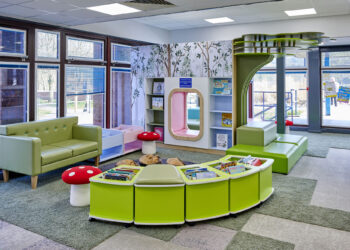

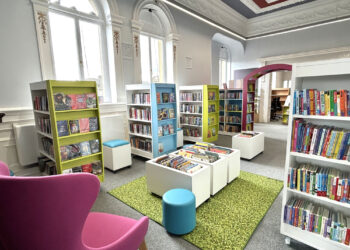

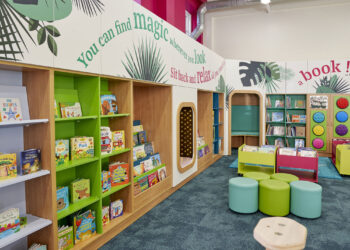
Creating comfortable places to read, concentrate or simply take a quieter moment can make a real difference to how children experience a primary school library.
Some pupils are happy to read in a busy shared space, while others may prefer somewhere a little quieter where they can settle down with a book. Libraries also need to support group activities, conversations and collaborative learning, so having different areas within the same room can give children more choice in how they use the space.
At StoryScape, we work with primary schools to create library environments designed around the children and staff who use them. Our quiet zone furniture can help support this. From comfortable seating and reading cubbies to sensory features and book displays, there are lots of ways to introduce quieter areas into a library.
The Importance of Quiet Zones in Primary Schools
Every child experiences a school library differently. Some pupils enjoy browsing and reading alongside their friends, while others may find it easier to concentrate in a calmer space.
Quiet zones can support everyday reading. A child might want somewhere to settle down with a favourite book without being distracted by a nearby group, or simply prefer a more enclosed place to sit.
At the same time, a primary school library needs to accommodate different activities. Children may be reading independently one moment and working together around a table the next. Creating a mixture of quieter and more social areas can help the space work for both.
The aim is not necessarily to create a silent library. Instead, think about how different areas can work together to give pupils some choice over where and how they spend their time.
Our SEN Spaces provide further ideas for creating library environments that consider different pupil needs, including calm areas and sensory considerations.
Types of Quiet Zone Furniture
There are lots of ways to introduce quieter areas into a primary school library. The right approach will depend on the size and shape of the room, how pupils currently use the space and whether you are working with existing furniture.
Here are some options you may want to consider.
Comfortable Seating
Comfort is a simple but important part of creating somewhere children want to spend time with books. Soft seating, armchairs and other comfortable options can help define a reading area without making the space feel too formal.
Our Library Furniture includes seating and other furniture that can be brought together to create flexible areas for reading, browsing and learning.
Reading Cubbies
A reading cubby can give children their own little space within the library. The more enclosed design can create a sense of personal space while still keeping pupils connected to the wider room.
For some children, it can be somewhere comfortable to settle down with a favourite book. For others, it simply offers an alternative to sitting at a table or in a more open area.
Reading cubbies can also add character to a library. Used alongside shelving, displays and other seating, they can help create a reading area that feels inviting and distinct.
Our Reading Corners provide further ideas for creating comfortable areas where pupils can spend time with books.
Sensory Walls
Quiet zones can include more than seating. Sensory features can add interest to a calmer area and give children something to explore and interact with.
A sensory wall might include different textures, shapes or interactive elements. Depending on the needs of the pupils using the space, it could become part of a dedicated calm area or sit alongside a reading space.
The overall feel of the area is worth considering too. A quiet zone does not need to contain lots of different features. Simple, carefully chosen elements can help create a space that feels comfortable rather than visually overwhelming.
Our StoryWall® and Sensory StoryWall® can bring storytelling and sensory elements into the wider library environment.
Low-Level Book Displays
A quiet reading area can work particularly well when books are close at hand. Low-level shelving and book displays can help children browse independently before settling down to read.
Keeping books visible and accessible means pupils do not have to leave the quieter area every time they want to choose something new. It can make the space feel more connected to the library collection while still giving children somewhere calmer to browse.
Our Library Shelving can help schools organise books in accessible ways and make collections easier for pupils to discover.
Primary School Furniture from StoryScape
Quiet zones are just one part of a well-planned primary school library. The most useful spaces often bring several different elements together, giving children opportunities to browse, read, learn, collaborate and spend time with others.
When planning a library, it can be helpful to look at the room as a whole rather than choosing individual pieces of furniture in isolation. Consider where children will browse, where they can sit together, where they might prefer to read alone and how staff will move around and supervise the space.
If you are reviewing an existing library or planning something new, our Primary School Library Design Service can help you explore how furniture, layout and different areas could work together.
Whether you are introducing a single reading cubby or considering how different areas of your library could work together, we can help you explore ideas for a welcoming space that gives pupils room to read, discover and enjoy books in their own way.
Schools are increasingly considering pupil wellbeing alongside learning when planning their environments. When planning libraries for student wellbeing, the StoryScape team consider how the layout, furniture and different areas within the space can give pupils a range of ways to use the library.
The Increasing Need to Consider Student Wellbeing in Primary School Library Design
Children experience school in different ways, and the same environment will not necessarily suit every pupil. Some children may enjoy busy, social spaces, while others may appreciate somewhere quieter where they can spend time independently.
This is one reason schools are giving greater consideration to wellbeing when planning their learning environments. It is not about turning every space into a dedicated wellbeing area. It is about thinking carefully about how children use the spaces available to them and whether they offer different experiences throughout the school day.
A library can be part of this wider approach. Alongside shelving and tables, there can be places for quiet reading, areas for shared activities and spaces where pupils can have some personal space.
When we work with schools, we consider how these different uses can work together, rather than treating wellbeing as something separate from the purpose of the library.
Library Design Elements That Support Student Wellbeing
There are several elements worth considering when designing a library with pupil wellbeing in mind.
Reading Corners and Quiet Areas
A reading corner can give pupils somewhere to settle away from the main flow of the library. It might be a small area with comfortable seating, a reading nook or a more enclosed space where a child can spend time with a book.
Our Reading Corners provide ideas for creating comfortable areas within a primary school library. They can form part of a larger library rather than needing a separate room.
Comfortable Seating
Comfortable seating can give children more choice in how they use the library. Some pupils may prefer an individual seat for reading, while others may enjoy sitting with friends or joining a group activity.
Different seating options can also help schools make better use of the space available. Our Library Furniture includes furniture that can be used to create different areas for reading, browsing and shared activities.
Sensory Elements
Some pupils may find busy or highly stimulating environments difficult to navigate. Considering sensory elements as part of the library design can help schools think about how different parts of the space feel.
Colour, texture, lighting and the arrangement of furniture can all contribute to the overall environment. These elements do not need to dominate the room. They can be introduced thoughtfully through individual furniture pieces, defined areas or quieter spaces.
Our SEN Spaces explore different ways of creating supportive environments for children with a range of needs.
Creating Calmer Areas
A calm area does not necessarily need to be completely separate from the rest of the library. This can give pupils somewhere to go when they want a quieter experience, while still allowing staff to maintain visibility across the library.
Making the Space Easy to Navigate
A library that is straightforward to move around can feel more accessible and comfortable for pupils.
Clear routes between shelving, seating and reading areas can help children understand how the space works. Our Library Shelving can be considered alongside the size and shape of your library to create practical storage that supports accessible browsing.
Library Furniture to Promote Student Wellbeing
Furniture is one part of the wider environment, but it can help create different ways for pupils to use the library.
Seating – Library Seating can provide comfortable places for individual reading, group activities and shared reading.
Shelving – Library shelving can help organise the collection while keeping books visible and accessible to pupils.
Cubbies – Reading cubbies can create smaller, more personal spaces within a larger room, giving children somewhere to settle with a book.
Book displays – Book displays can bring selected books into view and give children another way to explore the collection.
These elements do not need to be considered separately. When furniture, shelving and reading areas are planned together, they can help create a library with different spaces and experiences.
Creating a Library That Works for Your School
There is no single approach to designing libraries for student wellbeing. Every school has different pupils, staff, available space and priorities, so what works in one library may not be right for another.
When we work with schools, we consider these practical requirements alongside the experience of the children and staff using the space. Our Primary School Library Design Service can help schools explore how their available space, furniture and different library areas can work together.
If you are considering a new library or reviewing an existing space, we can help you explore ideas that work for your pupils, staff and available space. Get in touch with our team to discuss your requirements.
Creating comfortable places to read can make a big difference to how pupils experience your primary school library. While some children may enjoy reading in an open area, others may prefer somewhere that feels a little more enclosed and separate from the rest of the room.
A school reading cubby can provide just that. With a comfortable place to sit and space to settle down with a book, a reading cubby can become a welcoming part of the library where pupils can spend time reading independently.
At StoryScape, we work with primary schools to create library environments that consider how children and staff use the space. Reading areas, furniture and shelving can all play a part in creating a library that feels comfortable, accessible and inviting.
What Is a School Reading Cubby?
A school reading cubby is a smaller, more enclosed reading space designed to give pupils somewhere comfortable to sit with a book.
Unlike a traditional reading area, a cubby can create a greater sense of personal space. It can help define a quieter area within the wider library while still keeping reading at the heart of the environment.
Reading cubbies can also add interest to a library. With thoughtful colours, shapes and materials, they can become a feature that helps give the space its own character.
Find out more about our cubbies, reading nooks and hideaways here
Why Add a Reading Cubby to Your School Library?
A reading cubby can offer pupils another way to use the library. Rather than having one type of seating or reading area, you can create different spaces that suit different preferences and activities.
Create a Comfortable Place to Read
Comfort is an important part of creating a reading environment where pupils want to spend time.
A reading cubby can provide a cosy place to settle down with a book, away from some of the activity of the wider library. Depending on the design, it can include comfortable seating and a more enclosed space that helps pupils feel settled.
Give Pupils a Quieter Space
Libraries can be busy places, particularly when several classes are using the space or pupils are moving between different activities.
A school reading cubby can introduce a quieter area within the wider library. Providing different types of reading spaces can also give pupils more choice in how they use the library. An open reading area might suit one child, while another may prefer the more enclosed feel of a cubby.
Add Character to Your School Library
Reading furniture can contribute to the overall look and feel of a school library as well as providing a practical place to sit.
A colourful or distinctive reading cubby can become a focal point within the room, adding personality without requiring every part of the library to be highly decorated.
When we work with schools, we consider how features such as furniture, shelving, colour and graphics can work together. The aim is to create an imaginative environment that feels appropriate for pupils across the primary age range.
Bring Your Reading Cubby into the Wider Library Design
A reading cubby is one part of the library, so it is worth considering how it works alongside the rest of the space.
You might place it near books and shelving so pupils can easily choose something to read, or use it as part of a wider reading area with different types of seating.
Our Reading Corners provide further ideas for creating comfortable areas where pupils can spend time with books, while our Library Furniture can help schools explore different ways to create flexible and welcoming spaces.
Accessible shelving can also make it easier for pupils to browse independently before settling down to read. Our Library Shelving is designed to support practical organisation and help make books easier for pupils to discover.
Create a Welcoming Space for Reading in Your Primary School Library
A school reading cubby can give pupils somewhere comfortable to relax with a book, while also adding character to the wider library environment.
The most effective reading spaces give children different options. Some may prefer to read in an open area, while others may enjoy having a quieter, more enclosed place to settle down.
Whether you are introducing a single reading cubby or considering how different areas of your library could work together, our team can help you explore ideas for your space. Our Primary School Library Design Service can help you plan a library around the needs of your pupils, staff and available space.
When you are looking at ways to refresh your primary school library, the walls can be an easy part of the space to overlook. Yet with the right design, they can add colour, personality and a sense of identity, helping the library feel more welcoming for pupils.
At StoryScape, we work with primary schools to create library environments designed around the children and staff who use them.
Colourful library wall displays can be particularly effective when they form part of the wider library design. Contact us for more information or to discuss your project.
Why Use Colourful Library Wall Displays in a Primary School?
Library walls offer an opportunity to introduce colour and character without changing every element of the room. At StoryScape, we often consider how visual features can work alongside the practical parts of a library to create a space that feels cohesive and welcoming.
Create a Welcoming First Impression
Think about what pupils see when they first enter the library. An entrance area or prominent wall can provide a natural opportunity to introduce colour and create a focal point.
When we work with schools, we consider what they see from different areas of the room. You don’t need bold graphics across every wall. Selecting a few key areas can create impact while keeping the overall environment balanced.
Add Personality Through Colour and Design
Every school has its own character, and we believe the library should reflect that.
Colourful library wall displays can incorporate school colours, complementary shades or graphics that help make the space feel specific to your school. Our team creates an imaginative environment without making the library feel overly themed or childish.
Bring Reading Themes to Life
Books can provide plenty of inspiration for your library design. Wall graphics could celebrate reading, authors, genres or different reading journeys, or create a backdrop for a particular collection.
At StoryScape, we consider how visual features can work alongside books and shelving, helping the library feel like a space centred around reading and discovery.
How to Choose Colours for Your Library Displays
Choosing colours for your library wall display is about more than selecting the brightest shades. The most effective library environments consider how colour works alongside everything else in the room.
Consider Your Existing School Colours
Your school’s existing colours can provide a useful starting point for your library wall displays. You could incorporate them into a wall graphic or choose complementary shades that connect the library with the wider school.
When we work with schools, we consider the colours already present, including existing furniture and shelving, so that new displays feel like part of the overall design.
Think About the Whole Library
Before deciding on a library wall display, take a step back and consider the space as a whole.
Look at the colours of your shelving, seating, tables and flooring. Think about where pupils will be sitting, browsing and reading, and whether some areas already have plenty of visual interest.
Our approach is to consider these elements together. If you are updating furniture too, explore our Library Furniture [LINK: https://storyscapebyfg.co.uk/product-category/library-furniture/ ] for options that can work alongside your chosen colour palette.
Choose Library Wall Designs That Can Grow with Your Pupils
Primary school libraries need to work for children across a broad age range. When choosing colourful library wall displays, consider whether the design will still feel appropriate as pupils move through the school.
From our experience working with primary schools, we know that finding this balance matters. An imaginative design can still feel suitable for older primary pupils without relying on very young imagery.
Combine Library Wall Displays with Your Wider Library Design
A wall display can make a strong visual impact, but it is only one part of the library. At StoryScape, we look at how furniture, shelving, reading areas and other features can work together to create a cohesive environment.
Complement Colourful Library Furniture – Our Library Furniture is designed around the practical needs of school libraries, while giving schools opportunities to create flexible and welcoming spaces.
Pair Colourful Displays with Library Shelving – Colourful shelving can complement wall displays, while graphics can create a focal point around the books. Our Library Shelving is designed to support practical organisation and accessible browsing while forming part of the wider library environment.
Add Sensory Elements and Comfortable Reading Areas – Our SEN Spaces provide further inspiration for schools thinking about different pupil needs, while our Reading Corners can help create comfortable areas for pupils to spend time with books.
Planning Colourful Library Wall Displays on a School Budget
We understand that schools need to make careful decisions about where to invest their library budget. A complete redesign is not always necessary, and there may be existing furniture or shelving you want to retain.
Starting with the areas that would benefit most can be a practical approach. You might prioritise an entrance wall, a main feature area or a reading corner rather than trying to update the entire library at once.
It is also worth thinking about future improvements. If you plan to update shelving or introduce new furniture later, choosing a considered colour palette now can help create a cohesive space over time.
When we work with schools, we take their requirements, available space and budget into account. Our aim is to help you explore what could work for your particular library rather than suggesting that everything needs replacing.
Create a School Library That Inspires Discovery
Colourful library wall displays can make a noticeable difference to the character of a primary school library. From wall displays and colourful furniture to shelving and reading areas, we can help you consider how the different elements work together.
Whether you are making a few updates or planning a complete redesign, explore our Primary School Library Design Service to find out how our team can support your project.
With the new academic year around the corner, you’ve probably been thinking about refreshing your primary school library book displays.
At StoryScape, primary school libraries are our speciality. Our team can help you craft spaces where children feel encouraged to explore, discover and enjoy reading.
We’ve collated some of our favourite primary school library display ideas to help you plan for the new academic year.
Find out more about our primary school library design service
Why Refresh Your Primary School Library Displays Throughout the Year?
Library displays are a simple way to make your reading space feel more engaging and inviting.
Regularly updating your displays can help you:
- Highlight different authors and genres
- Encourage children to discover new books
- Support topics being covered in the classroom
- Celebrate events throughout the school year
- Design areas that inspire independent browsing
The furniture and layout around your library displays can also make a big difference. Well-positioned book displays, accessible shelving and inviting reading areas can help children interact with books more independently.
Our team can help schools create practical library environments where displays, furniture and layouts work together to support reading and discovery.
Explore our library furniture range
Autumn Term Primary School Library Display Ideas
The start of the academic year is a great time to refresh your library and utilise displays that welcome pupils back after the summer break. Here are our best ideas for library book displays during this term.
Back to School Reading Displays
A new school year is the perfect opportunity to introduce children to new books.
Consider creating displays around:
- Welcome back to school themes
- Favourite books from the summer
- New books arriving in the library
- Books recommended by teachers or pupils
- Introducing different authors and genres
Front-facing displays can help children see more of your collection and encourage them to pick up books they may not have noticed before.
Our book browsers and display furniture are designed to help schools make accessible areas where children can easily browse and discover books.
Explore our book browsers
Explore our book display furniture
Autumn and Seasonal Reading Displays
Seasonal displays can help bring your library to life and create opportunities for children to connect books with the world around them.
Autumn is a great time to explore themes such as:
- Nature and wildlife
- Changing seasons
- Adventure stories
- Cosy reading themes
- Outdoor learning
Our reading nooks and hideaways are focused on welcoming areas where pupils can relax, read and enjoy quiet time with books.
Explore reading nooks and hideaways
Curriculum-Based Autumn Displays
Library displays can also support classroom topics and help children explore subjects beyond their lessons.
Consider creating displays linked to:
- History topics
- Science themes
- Geography projects
- Important people and events
- Current classroom learning
By connecting the library with classroom topics, pupils have the opportunity to explore subjects further and discover related books.
Spring Term Primary School Library Display Ideas
The spring term is a great time to introduce fresh themes and allow children to discover new authors, genres and ideas.
Celebrating New Authors and Genres
Children often return to the same types of books, so displays can be a great way to introduce something different.
Consider highlighting:
- New authors
- Different genres
- Award-winning books
- Books from different cultures
- Staff recommendations
Thoughtful displays can help children find books that match their interests while also encouraging them to try something new.
Feature furniture and creative design elements can help design areas that draw attention and make specific collections stand out.
Explore our feature pieces
World Book Day Library Displays
World Book Day is a fantastic opportunity to celebrate reading and excitement around your library.
Ideas for your display could include:
- Favourite characters
- Author spotlights
- Pupil book recommendations
- Book-themed activities
- Class reading favourites
A refreshed display can help make reading feel like a shared experience across the whole school.
Reading Challenge Displays
Reading challenges are a great way to promote different books throughout the year.
Consider creating displays that showcase:
- Books pupils have enjoyed
- Reading achievements
- Class recommendations
- Personal reading goals
- New books to discover
Interactive displays can help children feel involved in the library and take ownership of their reading journey.
Summer Term Primary School Library Display Ideas
As the end of the academic year approaches, displays can help schools celebrate reading achievements and encourage children to continue reading during the summer break.
Holiday Reading Displays
Summer is a great time to create displays that inspire children to continue reading outside of school.
Ideas could include:
- Summer reading recommendations
- Adventure stories
- Outdoor reading themes
- Books linked to holidays and travel
- Favourite reads from the year
Making books easy to discover can inspire children to choose something new before the holidays begin.
Transition and Moving Up Displays
The summer term can also be an opportunity to support children through changes ahead.
Displays could focus on:
- Starting a new school year
- Moving into a new year group
- Building confidence
- Managing change
Books can be a helpful way for children to explore new experiences and feel prepared for what comes next.
Celebrate Pupil Reading Achievements
The end of the school year is the perfect time to celebrate the reading journey pupils have taken.
Consider creating displays featuring:
- Favourite books from the year
- Pupil recommendations
- Reading milestones
- Class favourites
Signage and graphics can help bring these displays together and make a stronger visual impact within the library.
Explore our signage and graphics options
Explore our wall features
How Furniture Can Help Bring Primary School Library Displays to Life
A great library display is not just about the books. The furniture around it can help form areas that attract attention and encourage children to explore.
When planning your library displays, consider how your furniture supports the space.
Book Browsers – Book browsers are a great option for making books easier for children to see and access.
Explore our book browsers
Display Furniture – Display furniture can help highlight specific books, themes and recommendations throughout the year.
Whether you are creating a seasonal display or showcasing new arrivals, the right furniture can help make books more visible.
Explore our book display furniture
Feature Pieces and Wall Features – Feature furniture and wall elements can help add personality to your library and create areas that feel unique to your school.
Explore our feature pieces
Explore our wall features
Creating a Library That Encourages Reading All Year Round
Every school library is different, and the best displays are those that reflect your pupils, your curriculum and your school community.
Refreshing displays throughout the year can help children discover new books, explore different interests and feel more connected to their library.
Whether you are updating a small reading area or planning a complete library redesign, our team can help you create a space that supports reading, learning and discovery.
From library furniture and shelving to complete design services, we work with schools to give children a practical and welcoming environments where children feel encouraged to explore books.
Explore our primary school library design service
Explore our library shelving options
Explore our library furniture range
Whether you are planning a few small updates to your primary school library during the summer holidays, or considering a larger project, now’s the time to create an environment where pupils feel inspired to explore. And StoryScape are here to support you.
We work with primary schools to create engaging library environments designed around the needs of pupils and educators. From specialist furniture and shelving to complete library design, our team helps schools create spaces that encourage curiosity, imagination and discovery.
Find out more about our primary school library design service
Use the Summer Holidays to Refresh Your School Library
The summer break is the ideal time to review how your primary school library currently works and consider what could be improved before September.
Without pupils using the space every day, you have more opportunity to make changes, whether that means reorganising furniture, updating tired areas or creating a more effective layout.
When reviewing your library, consider:
- Are books easy for children to find and access?
- Does the layout support different reading activities?
- Are there comfortable areas where pupils can enjoy books?
- Does the furniture still meet the needs of your pupils?
- Are there areas that could be used more effectively?
Small changes can have a big impact on how children experience the library.
Our expert team of library designers help schools assess their spaces and identify practical improvements that support reading, learning and engagement. Whether you are refreshing specific areas or planning a complete redesign, our team can help create a library environment designed around your pupils.
Plan Your Library Displays for the Year Ahead
The summer holidays are a great opportunity to plan your library displays before pupils return.
Well-planned displays can help children discover new books, explore different themes and feel excited about using the library. They can also help connect reading with classroom topics and important moments throughout the school year.
Consider planning displays around:
- Seasonal themes
- Authors and illustrators
- Curriculum topics
- Reading challenges
- Special events such as World Book Day
For more inspiration, explore our guide to 2026 library display ideas for primary schools.
StoryScape helps schools bring their library display ideas to life through thoughtful furniture and design features that make books more visible, accessible and engaging.
Create eye-catching book displays with our book display furniture
Review Your Primary School Library Before September
The summer break is a valuable time to review whether your current library furniture and layout still support the needs of your pupils. Here’s where you can start…
1. Update Library Shelving
Shelving is one of the foundations of an effective library space.
If shelving is outdated, damaged or unsuitable, it can make collections harder for pupils to access and reduce opportunities for independent exploration.
We design library shelving solutions that help schools create accessible, organised spaces where children can confidently explore books.
Explore our library shelving options
2. Refresh Library Furniture
Replacing tired or unsuitable furniture can help refresh the overall feel of the space while improving how pupils interact with the library.
Consider updating:
- Seating areas
- Storage solutions
- Book browsing furniture
- Flexible furniture pieces
StoryScape offers a range of primary school library furniture designed to combine creativity, durability and practicality.
Explore our library furniture range
3. Create Comfortable Reading Areas
Reading nooks and hideaways can help schools create quieter areas where pupils can settle into books, reflect and enjoy independent reading.
Our team can work with you to create welcoming reading environments that support different learning styles and help children feel comfortable within the library.
Explore reading nooks and hideaways
4. Consider Kinderboxes and Flexible Storage
For younger pupils, accessible furniture can make a significant difference to how they interact with books and resources.
Kinderboxes and flexible storage solutions can help create organised spaces where children can independently access materials and feel confident using the library.
StoryScape provides furniture designed specifically for primary school environments, helping schools create flexible spaces that support different ages and activities.
Explore our library furniture options
5. Consider How Your Library Supports Every Pupil
The best libraries are spaces where every child feels comfortable, included and able to participate.
The summer break provides an opportunity to review whether your environment supports different learning needs.
Schools may want to consider:
- Are there quieter areas available?
- Is the space easy to navigate?
- Are there comfortable areas for different activities?
- Does the environment support pupils with additional needs?
We can help you create inclusive learning environments designed around the needs of all pupils. From calm reading areas to thoughtful layouts, we help schools create spaces where every child can feel welcome.
6. Refresh Your Book Collection and Encourage New Discoveries
The summer holidays can also be a good time to review your existing book collection.
Schools may wish to consider:
- Removing damaged or outdated books
- Reviewing popular titles
- Organising collections more effectively
- Creating opportunities for pupils to discover new authors and genres
Through thoughtful shelving, furniture and layouts, our team can help your school create spaces where collections can be displayed effectively and enjoyed by pupils.
Make the Most of Your Summer Break with Primary School Library Improvements
Every school has its own identity, pupils and approach to learning.
That’s why StoryScape takes a considered approach to every project. We work closely with schools to understand their requirements and create spaces that support reading, learning and discovery.
From smaller furniture updates to complete library design projects, our team can support schools with:
- Primary school library design
- Library shelving
- Specialist library furniture
- Reading areas
- Inclusive learning environments
Whether you are preparing your library for September or planning improvements for the future, StoryScape can help bring your ideas to life.
A strong reading culture doesn’t happen by accident. It is built through consistent encouragement, access to great books, and opportunities for children to engage with reading throughout the school day.
While teaching and curriculum planning are central to this, the physical environment can also play an important role. The most successful primary schools often use their libraries, reading corners, displays, and shared spaces to reinforce positive reading habits and encourage children to read for pleasure.
At StoryScape™, we specialise in designing and manufacturing inspiring primary school library environments that encourage exploration, engagement, and a lifelong love of reading. Contact our team today to find out how we can help transform your library or reading space.
5 Tips for Growing Reading Cultures in Primary Schools
If you’re looking to strengthen engagement across your school, here are five ways your environment can help support and grow a positive reading culture.
1. Create Reading Opportunities Beyond the Library
A well-designed library is important, but a reading culture is strongest when children encounter books and stories throughout the school day.
Corridors, shared learning spaces, classrooms, and breakout areas can all become opportunities to promote reading. Rather than limiting books to one dedicated room, many schools are creating smaller reading zones across their sites, helping children engage with literature in a variety of settings.
This approach helps reinforce reading as a natural part of school life rather than an activity reserved for specific lessons or library visits. Plus, it also enables you to make better use of underutilised spaces, transforming them into inviting areas for quiet reading and exploration.
StoryScape™ can work with you to create flexible reading environments throughout your buildings, from dedicated library spaces to reading corners and corridor-based learning zones. Features such as book browsers and kinderboxes, book display units, and bespoke shelving help make books visible, accessible, and appealing wherever children encounter them.
2. Design Spaces That Support Reading for Pleasure
If reading for pleasure is a priority for your school, then the environment should reflect that ambition.
Children are naturally drawn to spaces that feel comfortable, welcoming, and different from the classroom environment. Creating areas where pupils can relax and enjoy a book without distraction can help encourage more positive reading experiences.
This doesn’t necessarily require a complete library refurbishment. Thoughtful additions such as comfortable seating, clearly defined reading areas, calming colours, and age-appropriate furniture can all contribute to an environment that encourages children to spend more time with books.
At StoryScape™, we design reading nooks and hideaways specifically to provide children with cosy spaces where they can immerse themselves in stories. Combined with flexible seating solutions and carefully planned layouts, these spaces can help make reading feel like an enjoyable choice rather than a task.
When children associate reading with comfort, enjoyment, and discovery, they are more likely to develop positive reading habits that continue throughout their education.
3. Use Displays to Keep Reading Fresh and Engaging
Even the strongest reading culture benefits from regular opportunities to spark curiosity.
Library displays can play an important role in helping your school showcase new books, highlight curriculum topics, celebrate authors, or explore themes that are relevant to pupils’ interests and experiences.
Refreshing displays throughout the year gives children a reason to revisit familiar spaces and can encourage them to explore books they may not otherwise have chosen. Themes linked to wellbeing, the natural world, cultural celebrations, or current learning topics can all help create meaningful connections between reading and wider school life.
StoryScape™ offers a range of signage and graphics, wall features, and book display solutions that enable your school to create visually engaging environments tailored to your pupils and priorities.
The most effective displays don’t simply store books, they create opportunities for discovery, conversation, and engagement.
4. Give Pupils Ownership of the Reading Environment
A great way to strengthen a reading culture is to give children a sense of ownership over it.
When pupils are involved in shaping their reading spaces, recommending books, contributing reviews, or helping to create displays, they often become more invested in reading as a whole. These opportunities encourage independence and help children see themselves as active participants in your school’s reading culture.
The design of the environment can support this too. Accessible shelving, child-height displays, and spaces that encourage browsing and exploration allow children to navigate reading areas confidently and make choices independently.
StoryScape’s StoryWall® has been designed with this in mind. Combining storage, display, seating, and engagement within a single feature, it helps create spaces where children can interact with books naturally and confidently.
By empowering pupils to engage with their reading environment, your school can create a culture where reading feels personal, meaningful, and relevant.
5. Make the Library the Heart of Your Reading Culture
For many schools, the library remains the centre of their reading provision. When thoughtfully designed, it can become one of the most influential spaces in the entire school.
Today’s primary school libraries serve many purposes. They support reading for pleasure, independent learning, wellbeing, storytelling, group activities, and quiet reflection. As a result, library design has evolved beyond simply housing books.
A successful library creates opportunities for different types of engagement. Some children may be drawn to quiet reading spaces, while others respond to interactive features, sensory elements, or themed environments that bring stories to life.
StoryScape™ specialises in designing primary school libraries that prioritise safety, comfort, and exploration. Through products such as StoryWall®, Sensory StoryWall®, bespoke feature pieces, and carefully planned library layouts, we can help your school create spaces that support both educational outcomes and pupil wellbeing.
By viewing the library as a central part of your school’s reading strategy rather than simply a storage space for books, as a school leader you can maximise its impact across the entire school community.
Creating an Environment Where Reading Can Thrive with StoryScape™
Building a strong reading culture requires ongoing commitment, but the environment can play a valuable supporting role. The spaces children learn in influence how they interact with books, how confident they feel exploring new stories, and how often they choose to read independently.
Whether it’s creating reading opportunities throughout your school, developing engaging displays, introducing comfortable reading areas, or investing in a dedicated library refresh, thoughtful design can help reinforce the reading culture your school is already working hard to build.
At StoryScape™, we work with primary schools across the UK to design and manufacture inspiring library and learning environments that encourage reading for pleasure, support wellbeing, and foster a lifelong love of learning.
Contact our team today to discuss how we can help create a library or reading environment that supports your school’s reading culture and inspires young readers for years to come.
A new academic year is the perfect time to review the spaces that support learning across your school. While timetables, resources, and staffing often take priority, the library environment deserves attention too. For many pupils, the library is where they discover new interests, build confidence as readers, and find a calm space to learn and reflect.
The right primary school library furniture can make a significant difference to how children use and experience your space. Thoughtful layouts, accessible shelving, comfortable seating, and engaging features all help create an environment that encourages reading for pleasure, supports wellbeing, and promotes independent learning.
At StoryScape™, we specialise in designing and manufacturing primary school library furniture in the UK. From full library fit-outs to reading corners and bespoke feature pieces, our products are designed specifically for the needs of young learners. Contact our experienced team today if you’d like to pick our brains and discuss your ideas.
Key Primary School Library Furniture Considerations for the New Academic Year
To help you with selecting your primary school library furniture, we’ve listed to key considerations for you to think about.
Start with How the Space will be Used
Before selecting furniture, think about the different activities your library needs to support.
Many primary school libraries are expected to accommodate:
- Independent reading
- Group storytelling
- Class visits
- Small-group interventions
- Quiet reflection
- Collaborative learning
A flexible layout allows the space to adapt throughout the day. Modular seating, movable furniture, and clearly defined zones help you make the most of your available space without compromising comfort or accessibility.
StoryScape™ designs library environments that balance functionality with imagination, ensuring that the space works for both pupils and staff.
StoryScape™ Primary School Library Furniture Options
When preparing your library for the new academic year, it’s worth considering the different furniture elements that can help create an engaging and effective learning environment. At StoryScape™, we offer a wide range of primary school library furniture designed specifically for young learners.
Book Browsers & Kinderboxes
Designed for younger readers, our book browsers and kinderboxes allow children to browse books independently, displaying covers face-out and at an accessible height. They encourage exploration and make it easier for pupils to discover books that capture their interest.
Book Display Units
Book display units help bring your collection to life. Whether you’re showcasing new arrivals, seasonal themes, curriculum-linked texts, or pupil recommendations, front-facing displays make books more visible and engaging.
Reading Nooks & Hideaways
Creating dedicated reading spaces can encourage children to spend more time with books. Our reading nooks and hideaways provide comfortable, child-friendly areas where pupils can enjoy independent reading and quiet reflection.
Seating Solutions
Flexible seating plays an important role in any school library. From soft seating and modular benches to collaborative reading areas, comfortable furniture helps create welcoming spaces that children want to use.
StoryWall® & Sensory StoryWall®
Our StoryWall® and Sensory StoryWall® systems combine storage, display, storytelling, and sensory engagement in a single feature. These innovative solutions help maximise wall space while creating exciting opportunities for exploration and interaction.
Feature Pieces
Feature pieces can become the focal point of a library environment. Whether it’s a themed structure, storytelling feature, or imaginative reading zone, these elements help create memorable experiences that encourage engagement with books.
Wall Features, Signage & Graphics
Wall features, signage, and graphics can help define different areas within your library while adding colour, personality, and visual interest. They are an effective way to reinforce themes and create an inspiring learning environment.
Prioritise Accessible Book Storage
One of the simplest ways to encourage independent reading is to make books easy to see and reach. Young children are far more likely to browse when books are displayed at their height and presented in an engaging way.
Book browsers, kinderboxes, and book display units can all help improve accessibility while encouraging pupils to make their own reading choices.
Accessible storage supports confidence, choice, and ownership of reading habits, all key ingredients in a strong reading culture.
Create Comfortable Reading Areas
Comfort matters. Children are more likely to spend time reading when their environment feels welcoming and relaxed.
Soft seating, child-sized furniture, and dedicated reading spaces can help create positive reading experiences while supporting concentration and wellbeing.
StoryScape™ reading nooks and hideaways are designed to create cosy retreats where pupils can settle into a book without distraction. Comfortable seating doesn’t just improve the look of your library; it can influence how long children stay engaged with reading.
Choose Furniture That Supports Wellbeing
Libraries often serve as more than reading spaces. They can also support emotional wellbeing, inclusion, and self-regulation.
Thoughtful furniture choices help create an environment that feels safe and inviting. Rounded shapes, soft textures, calming colours, and clearly defined zones can all contribute to a more positive experience for your pupils.
If you’re looking to support a wider range of learning needs, StoryScape™ offers solutions such as the Sensory StoryWall®, which combines storage, storytelling, and sensory engagement in one integrated feature. These elements can help create inclusive spaces that encourage exploration while supporting focus and wellbeing.
Add Visual Interest and Imagination
Your library should inspire curiosity. Furniture and display features can help transform the space from a simple room of shelves into an environment that children want to visit.
Feature pieces, wall features, signage, and graphics all help bring personality and storytelling into the library environment. Whether it’s a woodland-themed reading area, a storytelling tunnel, or a custom graphic wall, these elements can help create memorable experiences around reading.
Plan for Durability and Flexibility
Primary school libraries are busy spaces. Furniture needs to withstand daily use while remaining safe, practical, and easy to maintain.
Because StoryScape™ furniture is designed and manufactured in the UK, we can offer durable, school-ready solutions that are built for long-term use. Modular and flexible designs also allow you to adapt your library as needs change, making future updates more straightforward.
When planning a refresh, think about how your space might evolve over the next few years. Investing in versatile furniture now can provide greater value over time.
Preparing Your Library for the Year Ahead with StoryScape™
A new academic year brings new pupils, new reading journeys, and new opportunities to inspire learning. Your library environment plays an important role in shaping those experiences.
By focusing on accessible book storage, comfortable seating, flexible layouts, wellbeing, and imaginative design, you can create library spaces that encourage children to explore, discover, and enjoy reading throughout the year.
At StoryScape™, we work with primary schools across the UK to design and manufacture primary school library furniture that supports literacy, wellbeing, and independent learning. Whether you’re refreshing a reading corner or planning a complete library transformation, our team is here to help.
Get in touch with StoryScape™
Contact our team today to discuss how we can help you create a primary school library environment that inspires reading, supports wellbeing, and helps every child start the new academic year with confidence.
A well-designed school library can do far more than store books. Choosing the right primary school library furniture helps schools create spaces that pupils genuinely enjoy spending time in.
At StoryScape, we believe every school library should feel welcoming, imaginative, and adaptable to the changing needs of both pupils and staff. Whether you are redesigning an existing library or creating a brand-new reading space, our team works closely with schools to create inspiring environments that support learning and engagement.
If you are looking for support with your next primary school library project, contact StoryScape to discuss your ideas and discover how bespoke library furniture can transform your space.
Why Primary School Library Furniture Matters
Primary school libraries play an important role in supporting literacy, learning, and pupil development. However, creating an engaging environment requires more than simply filling a room with bookshelves. The furniture chosen for the space can have a direct impact on how pupils interact with reading and learning.
Comfortable seating, accessible shelving, and flexible layouts can encourage children to explore books independently and spend more time reading for pleasure. At StoryScape, we understand that modern school libraries also need to support a wide range of activities, from storytelling sessions and intervention groups to collaborative learning and quiet reflection.
Schools are also increasingly looking for long-term value from their investment. Durable, adaptable furniture allows libraries to evolve alongside changing curriculum needs while continuing to provide a stimulating environment for pupils year after year.
Types of Primary School Library Furniture
Every primary school library is different, which is why choosing the right furniture is essential for creating a functional and inspiring learning space. At StoryScape, we design primary school library furniture that supports a wide range of learning styles, age groups, and activities.
Library Shelving, Book Displays & Browsers
Effective library storage should do more than organise books. It should actively encourage children to engage with reading. Well-positioned library shelving units help pupils browse independently while keeping books accessible and inviting.
Front-facing book displays can be used to highlight seasonal themes, recommended reads, or curriculum topics, helping to spark curiosity and promote reading throughout the year.
For younger pupils, book browsers and kinderboxes provide an easy and engaging way to explore books independently. Their accessible design encourages confidence and allows children to interact with books more naturally from an early age.
Reading Nooks, Hideaways & Flexible Seating
Creating comfortable spaces within a library can make a significant difference to how pupils experience reading. Quiet areas encourage focus, relaxation, and independent learning, particularly for children who may benefit from calmer environments.
At StoryScape, we believe reading spaces should feel welcoming and inclusive for every pupil. Our reading nooks and hideaways are designed to support wellbeing while creating cosy spaces where children can immerse themselves in stories without distraction.
Flexible library seating also allows schools to adapt layouts for group activities, intervention sessions, or collaborative learning. Modular furniture gives schools the freedom to create multifunctional spaces that evolve throughout the school day.
Tables, Desks & Flexible Learning Furniture
Modern primary school libraries often serve multiple purposes beyond independent reading. Many schools use their library spaces for guided learning, small-group interventions, research tasks, and after-school activities.
Durable and adaptable tables and desks allow schools to create practical learning environments that support both focused study and collaborative work. Flexible furniture layouts also help maximise available space, particularly in schools where libraries need to accommodate a variety of activities.
At StoryScape, we understand the importance of designing furniture that balances practicality with creativity, helping schools create spaces that remain functional for years to come.
Feature Pieces & Bespoke Library Furniture
Feature furniture can completely transform the atmosphere of a school library. From themed storytelling areas to bespoke seating and immersive reading zones, statement pieces help create exciting environments that children remember.
Our feature library furniture is designed to make libraries feel engaging, educational, and unique to each school. Incorporating school colours, themes, and branding can help create a stronger sense of identity while making the space more visually inspiring for pupils.
At StoryScape, we design bespoke primary school library furniture that combines creativity, practicality, and long-term durability. Whether working with unusual room layouts or creating a completely themed reading environment, our team develops tailored solutions that maximise every available space.
Creating a Library Space for Every Occasion
Today’s primary school libraries need to support a wide range of learning experiences. A well-designed space should be flexible enough to accommodate quiet reading, storytelling sessions, collaborative group work, intervention activities, and wellbeing support throughout the day.
At StoryScape, we believe thoughtful furniture design allows schools to create spaces that adapt to changing educational needs while continuing to inspire pupils. Flexible layouts, comfortable seating, and engaging feature areas can help transform libraries into multifunctional environments that support both learning and creativity.
Whether pupils are enjoying independent reading, taking part in group discussions, or attending after-school clubs, the right library furniture helps schools create spaces that feel purposeful, welcoming, and inspiring for every occasion.
Why Schools Choose StoryScape for Primary School Library Furniture
Schools choose StoryScape because we understand that every learning environment is unique. Our team works closely with schools to design bespoke library spaces that reflect their pupils, values, and educational goals.
From practical shelving solutions to imaginative themed furniture, we combine educational expertise with creative design to deliver library environments that support literacy, wellbeing, and engagement. We are passionate about helping schools create spaces where children feel excited to learn, explore, and read.
At StoryScape, we believe every school library should inspire curiosity and encourage a lifelong love of reading.
Transform Your School Library with StoryScape
Whether you are updating an existing library or planning a completely new reading space, StoryScape can help you create a library environment tailored to your school’s needs.
Our primary school library furniture is designed to combine flexibility, durability, and creativity, helping schools make the most of their available space while creating inspiring learning environments for pupils.
Contact StoryScape today to discuss your project and discover how we can help transform your primary school library.
Creating an engaging low budget primary school library does not always require a full refurbishment. Sometimes even small changes can transform a space into something that encourages reading for pleasure, supports wellbeing, and inspires curiosity.
At StoryScape, we believe every school deserves access to inspiring library spaces, regardless of budget. The right primary school library furniture and thoughtful layout choices can completely change how pupils experience reading throughout the school day.
If you are looking for more detailed guidance, you can also explore our budget-friendly school library design guide here
Creating a Low Budget School Library That Still Inspires
Budget pressures are a reality for many schools, but that should not mean compromising on the quality of learning environments.
Small, intentional improvements can significantly improve how pupils interact with books and learning materials. At StoryScape, we often support schools in making the most of what they already have, enhancing layouts, improving accessibility, and introducing targeted furniture pieces that deliver maximum impact.
A successful low budget school library is not about doing everything at once. It is about making thoughtful choices that build over time into a space that feels cohesive, welcoming, and inspiring.
7 Low Budget School Library Ideas from StoryScape
Whatever the reason for a low budget school library, the following ideas will help you create a library that delivers real impact without a full redesign.
1. Use Front-Facing Book Displays to Increase Engagement
One of the simplest ways to improve a primary school library is to change how books are presented. Front-facing displays make books more visible and appealing, encouraging pupils to browse and discover new titles.
Well-placed book displays can be used to highlight themes, reading recommendations, or curriculum-linked topics. They are also ideal for rotating seasonal collections, keeping the library feeling fresh and engaging throughout the year.
At StoryScape, we believe how books are presented can be just as important as the books themselves, especially when encouraging reading for pleasure in primary school environments.
2. Create Flexible Reading Zones with Simple Seating
Comfort plays a major role in how children engage with reading. By introducing simple, flexible seating, schools can quickly create welcoming reading zones without major investment.
Soft furnishings, cushions, and modular seating can all be used to define quiet reading areas or group spaces depending on need. Library seating allows schools to adapt layouts for different activities throughout the day, from independent reading to small group work.
At StoryScape, we design flexible solutions that help schools create calm, inclusive environments where pupils feel comfortable and focused.
3. Improve Existing Shelving Before Buying New
Before investing in new furniture, it is often worth reviewing how existing shelving is being used. Small changes in organisation can make a significant difference to accessibility and engagement.
Library shelving can be reorganised by age group, genre, or reading level to help pupils find books more easily. Removing outdated or unused stock also helps create a more inviting and manageable space.
4. Create Reading Nooks Using Unused Space
Many schools already have the space they need to create engaging reading areas, they simply are not being used effectively. Corners, alcoves, and underused zones can easily be transformed into small reading nooks.
Reading nooks and hideaways help create calm, focused environments where pupils can enjoy reading without distraction. Adding soft furnishings and low-level shelving can quickly turn an overlooked area into one of the most popular parts of the library.
At StoryScape, we believe even the smallest space can become a powerful learning environment when designed thoughtfully.
5. Invest in One or Two Hero Furniture Pieces
When budgets are limited, it is often more effective to invest in a small number of high-impact pieces rather than trying to furnish an entire space at once.
Feature furniture can act as a visual focal point within the library while also supporting practical use. A well-designed feature piece can define a reading zone, create excitement, and help establish identity within the space.
This phased approach allows schools to build their library over time while still delivering immediate improvements in engagement and usability.
6. Use Multi-Purpose and Flexible Furniture
Modern school libraries are no longer single-use spaces. They often need to support reading, group work, interventions, and even whole-class teaching at different points in the day.
Flexible furniture allows schools to adapt quickly without additional cost or disruption. Multi-purpose layouts help maximise available space while ensuring the library remains functional and relevant for a wide range of activities.
At StoryScape, we design furniture that evolves with the needs of the school, supporting long-term use rather than short-term solutions.
7. Soft Library Furnishings and Visual Warmth
One of the most cost-effective ways to transform a library is by introducing soft furnishings. Rugs, cushions, and textiles can instantly make a space feel more welcoming and comfortable.
These small additions help create a sense of warmth and safety, encouraging pupils to spend more time in the library and engage more deeply with reading. Even simple visual changes can have a significant emotional impact on how the space is perceived.
Low Budget School Libraries: Making the Most of Your Resources
Working on a low budget school library does not mean compromising on impact. In fact, some of the most effective library transformations come from small, well-planned changes rather than full refurbishments.
The key is prioritising improvements that enhance usability, accessibility, and comfort. By focusing on high-impact adjustments first, schools can create meaningful change without overstretching their resources.
At StoryScape, we understand the importance of long-term value. Durable, flexible solutions ensure that any investment continues to benefit pupils for years to come, even as learning needs evolve.
Transform Your School Library with StoryScape
Every school has different constraints, priorities, and goals, which is why a one-size-fits-all approach rarely works. At StoryScape, we work closely with schools to design library spaces that reflect their specific needs and budgets.
Our approach to school library design combines practical furniture solutions with thoughtful layout planning to help schools get the most from their available space. Whether it is a small refresh or a phased redesign, we focus on creating environments that support literacy, wellbeing, and engagement.
If you are planning your next steps, we would be happy to support you in creating a library that works for your pupils today and grows with your school in the future. Contact our team today for more information.
Case Studies
Browse through some of the fantastic projects we have worked on